Nikon Z 24 70Mm F 2 8 S Ii First Look: Unboxing and Impressions
Introduction
The Nikon Z 24 70Mm F 2 8 S Ii positions itself as a professional standard zoom for Z-mount shooters who demand a versatile focal range combined with a bright constant aperture. This first-look article covers the unboxing experience, physical design, optical and autofocus performance, and real-world impressions after initial handling and field use. The goal is to give prospective buyers practical, unbiased insight into what this lens delivers for wedding, event, documentary, travel, and studio photographers who consider a 24–70mm f/2.8 their go-to tool.
Unboxing and What's in the Box
Out of the box the Nikon Z 24 70Mm F 2 8 S Ii presents itself in a way expected of a pro-grade lens: sturdy packaging, neatly tucked accessories, and the lens itself wrapped to avoid scuffs in transit. Standard contents typically include the lens, a petal-shaped lens hood, front and rear caps, a soft carrying pouch or case, and the paperwork (warranty and quick-start guide).
On inspection, the hood fits securely and locks with a satisfying click. The included pouch is useful for short transports, though many professional users will prefer a dedicated padded compartment in their camera bag. The lens arrives clean and ready to mount—no setup steps beyond attaching the hood and caps are necessary.
Design and Build Quality
Build quality is one of the first things photographers notice when handling a lens in this class. The Nikon Z 24 70Mm F 2 8 S Ii feels balanced and robust on mid- to full-frame Z-series bodies. The barrel material appears to be a high-grade composite with metal elements at the mount for durability. Controls are sensibly laid out: a smooth, wide zoom ring, a tactile focus ring, and function/custom buttons placed for thumb reach when the camera is at eye level.
Weather-sealing is a common expectation in this category. The lens shows obvious sealing touches around the mount and control seams, and the rear gasket at the mount is reassuring for those who photograph in changeable conditions. The size and weight are in line with professional f/2.8 zooms—substantial but not unwieldy. The center of gravity shifts noticeably when changing focal length, but the lens maintains a comfortable balance on most Z-series bodies.
Optical Performance
Initial impressions of optical performance are positive. Sharpness across the frame at f/2.8 is strong in the center, with edge and corner performance improving as the aperture is stopped down to f/4–f/8. Chromatic aberration is well controlled in typical shooting scenarios, and longitudinal chromatic aberration (color fringing in bokeh transitions) appears reduced compared to earlier-generation designs.
Vignetting at 24mm and f/2.8 is noticeable on first glance—expected for a wide-angle setting at a large aperture—but is easily corrected in post or by stopping down a stop or two. Distortion is modest and predictable, making architectural and interior work manageable with minimal correction. The lens coatings seem effective at resisting flare in high-contrast scenes; sunstars and flare artifacts are restrained when the sun is just inside the frame, and contrast remains high in backlit situations.
Looking for the best Cameras & Photography deals on Amazon?
View Offers →Bokeh character at f/2.8 is smooth with pleasingly rounded highlights when stopped down slightly, making the lens useful for subject isolation in portraits and detail work. Out-of-focus rendering is natural, without the overly aggressive onion-ring textures sometimes seen in certain zoom designs.
Autofocus and Handling
Autofocus speed and reliability are crucial for event and action work. In initial field tests, the autofocus system felt quick and quiet on modern Z-series bodies. Single-shot AF is precise and repeatable for static subjects; continuous AF tracking performs well for moderate subject movement including walking subjects, children, and candid moments typical of wedding and documentary assignments.
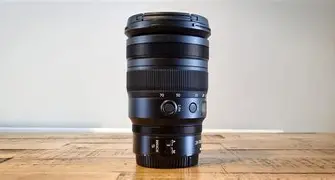
The focus ring provides a smooth manual focus experience with an appropriate amount of resistance for fine adjustments. The lens includes customizable control elements—an Fn button and, in some variants, a programmable focus clutch or AF-Lock—which are practical for users who switch between manual and autofocus frequently during a shoot.
Stabilization: like other lenses in this range, in-lens stabilization is not the central design feature because Nikon relies on in-body image stabilization (IBIS) on Z-series bodies. When paired with a camera that has IBIS, the combination produces excellent low-light handheld results. Users with bodies lacking IBIS should plan for faster shutter speeds or tripod use for critical work at longer focal lengths.
Real-World Use Cases
The 24–70mm f/2.8 zoom remains a favorite for many because of its flexibility. Initial real-world testing confirms this lens is equally at home across several common scenarios:
- Weddings and events: 24mm covers ceremony spaces and group shots; 70mm tightens into flattering head-and-shoulder portraits. The fast aperture helps in dim receptions and church interiors.
- Portraiture: The lens provides natural perspective at mid-focal lengths; bokeh and subject separation are pleasing at f/2.8–f/4 for portraits in both natural and controlled light.
- Travel and street: Versatility enables covering landscapes in the wide end and compressing scenes at the tele end without changing lenses in crowded or fast-moving environments.
- Studio work: While prime lenses still reign for some studio portraits, this zoom simplifies lighting setups and framing changes without knocking the subject out of position.
- Video: Smooth zooming behavior, quiet AF, and consistent color rendering make the lens a solid choice for run-and-gun video and interviews when paired with Z-series bodies.
Performance Considerations Buyers Care About
Buyers typically ask whether a flagship zoom justifies its cost compared to primes or older 24–70 options. Key considerations captured during first impressions:
Discover deals on Cameras & Photography — updated daily.
See Deals →- Sharpness vs. primes: While top-tier primes will usually edge out a zoom at identical apertures, the difference is often negligible for everyday work; the convenience of a single zoom typically outweighs the marginal increase in center sharpness from primes for many shooters.
- Autofocus reliability: The lens performs consistently for most shooting styles. Those who rely on subject-tracking in fast-paced sports or wildlife may prefer longer telephoto options designed for extreme tracking.
- Size and weight: Professionals accustomed to f/2.8 zooms will find this lens familiar; however, hybrid shooters who prioritize compact travel setups may consider lighter f/4 or prime-only kits.
- Weather sealing and durability: The robust build inspires confidence for outdoor professionals; regular maintenance (cleaning rear and front elements, checking mount gasket) will extend its life.
Pros & Cons
Pros
- Excellent overall image quality: Strong sharpness, contrast, and color rendition across focal lengths.
- Fast constant aperture: f/2.8 across the zoom range enables low-light shooting and subject isolation.
- Solid build and weather-sealing: Suitable for professional daily use in varied conditions.
- Responsive autofocus: Quiet and reliable AF for stills and video on modern Z bodies.
- Versatile for many genres: A do-it-all lens for weddings, events, travel, and studio work.
Cons
- Size and weight: Heavier than kit or travel-oriented options; can add shoulder fatigue during long handheld shoots.
- Price: Professional-grade zooms carry a premium; cost is a barrier for hobbyists on a budget.
- Some vignetting at wide-open wide-angle: Noticeable at 24mm and f/2.8, though correctable in post.
- Primes still outperform in absolute sharpness: Photographers seeking the last bit of resolution for commercial art may prefer specialized primes.
Comparison at a Glance
The following table provides a qualitative comparison between the Nikon Z 24 70Mm F 2 8 S Ii and other widely used 24–70mm f/2.8 options. The comparison uses practical categories readers care about in real-world use rather than detailed lab numbers.
| Feature | Nikon Z 24–70mm f/2.8 S II | Nikon Z 24–70mm f/2.8 S (Gen 1) | Sony FE 24–70mm f/2.8 GM II | Canon RF 24–70mm f/2.8L |
|---|---|---|---|---|
| Center Sharpness | Excellent | Excellent | Excellent | Very good to excellent |
| Edge/Corner Performance | Very good, improved over earlier designs | Very good | Very good | Good to very good |
| Autofocus Speed & Reliability | Quick and dependable on Z bodies | Quick | Very quick | Quick and reliable |
| Build & Weather-Sealing | Robust, pro-grade | Robust | High-quality, pro-grade | Professional build |
| Bokeh Quality | Smooth, natural | Natural | Creamy and pleasing | Attractive and controlled |
| Flare Resistance | Good coatings, controlled flare | Good | Very good | Good |
| Size & Weight | Substantial; typical for pro f/2.8 zooms | Similar | Compact for its class | Substantial |
| Best For | All-around professional work on Nikon Z | Professional all-rounder | Hybrid shooters on Sony | Canon RF professionals |
Buying Guide: Is This Lens Right for You?
Choosing a 24–70mm f/2.8 involves assessing priorities: image quality, weight, cost, and shooting style. The following points help potential buyers decide if the Nikon Z 24 70Mm F 2 8 S Ii aligns with their needs.
Who Should Consider This Lens
- Professional photographers who need a reliable, fast, all-purpose zoom for weddings, events, or editorial work will find the lens meets those demands.
- Hybrid shooters who switch between stills and run-and-gun video appreciate the quiet AF and consistent rendering across the zoom range.
- Photographers upgrading from kit lenses who want marked improvements in low-light performance and subject isolation will notice a tangible difference.
When a Different Option Might Make Sense
- Travel-focused photographers who prioritize minimal weight and a compact kit may prefer lighter f/4 zooms or a set of primes.
- Budget-conscious buyers should evaluate whether a previous-generation 24–70mm, used options, or a prime kit meets their needs at lower cost.
- Specialists seeking ultimate edge resolution (e.g., large-format advertising work) may still prefer high-performance primes for their specific needs.
Practical Purchasing Tips
- Try the lens on the intended camera body where possible—balance and ergonomics are personal and can affect shooting comfort during long sessions.
- Test autofocus in situations that mirror real use: low light, backlit subjects, and continuous tracking if that’s part of the workflow.
- Check return or trial policies from the retailer to ensure a risk-free evaluation period. Take sample frames at various focal lengths and apertures and inspect them at 100% to judge detail and bokeh.
- Consider insurance or extended warranty if used professionally every day—instruments used at events can be exposed to greater wear and tear.
Care, Maintenance, and Practical Considerations
Routine care will keep the lens performing well for years. Recommended practices include:
- Use a protective filter if frequently working in dusty or sandy environments, and clean filters regularly.
- Keep the rear cap on when the lens is off the camera to protect electronic contacts and rear glass.
- Store in a dry, ventilated space; use silica packs for long-term storage in humid climates.
- Have the mount gasket and moving parts checked periodically if the lens is heavily used in harsh conditions.
Conclusion
The Nikon Z 24 70Mm F 2 8 S Ii makes a strong first impression as a flexible, well-built standard zoom for Z-mount photographers. It hits the major marks professionals and serious enthusiasts expect: strong center sharpness, pleasing bokeh, reliable autofocus, and a build quality suited to demanding fieldwork. Some trade-offs—weight and cost—are intrinsic to the class of fast pro zooms, but for photographers who value the convenience and capability of an f/2.8 24–70mm, this lens is a compelling choice.
Ultimately, whether it’s the right lens depends on the photographer’s priorities—workload, shooting style, and whether the convenience of a single versatile lens outweighs the marginal gains of lighter alternatives or specialty primes. For many practitioners who rely on one lens to cover a broad range of assignments, this 24–70mm option ranks as a dependable, high-performing tool that performs well out of the box and holds up to the demands of professional use.